Greenscents Blog

Blog

How to Create a Lower-Toxin Home for Babies and Children: Practical Tips for Healthier Family Living

Blog

How to Create a Lower-Toxin Home for Babies and Children: Practical Tips for Healthier Family Living

by Christina Hawkes on Jun 05 2026
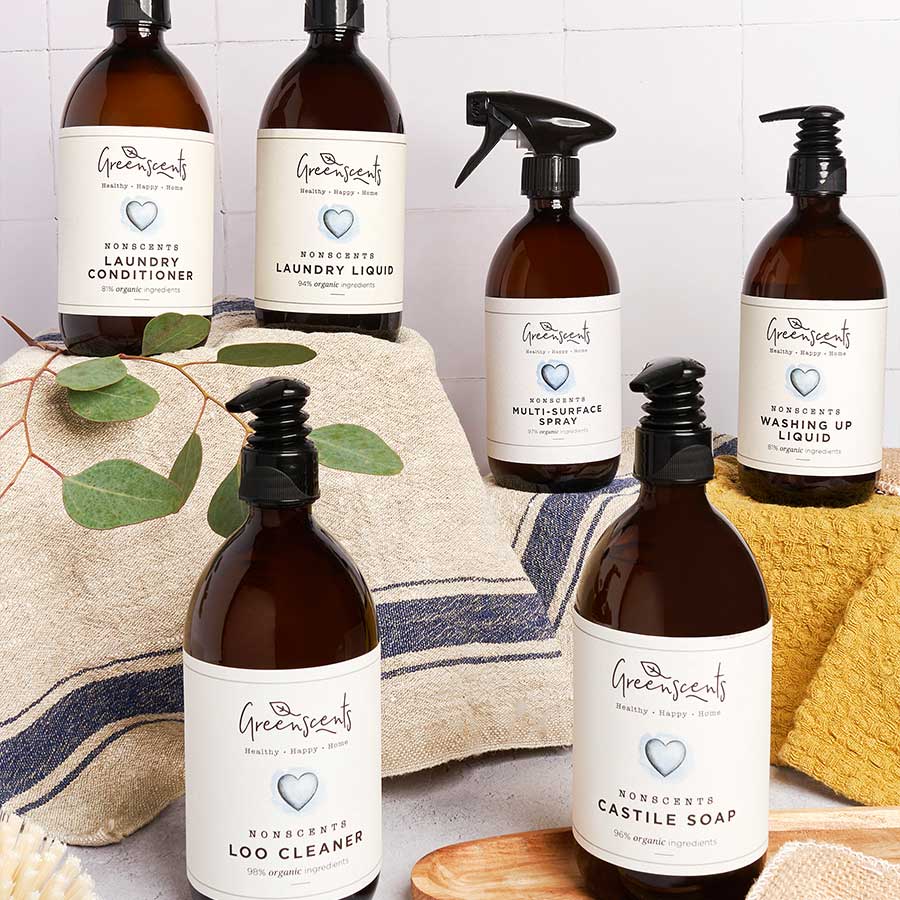
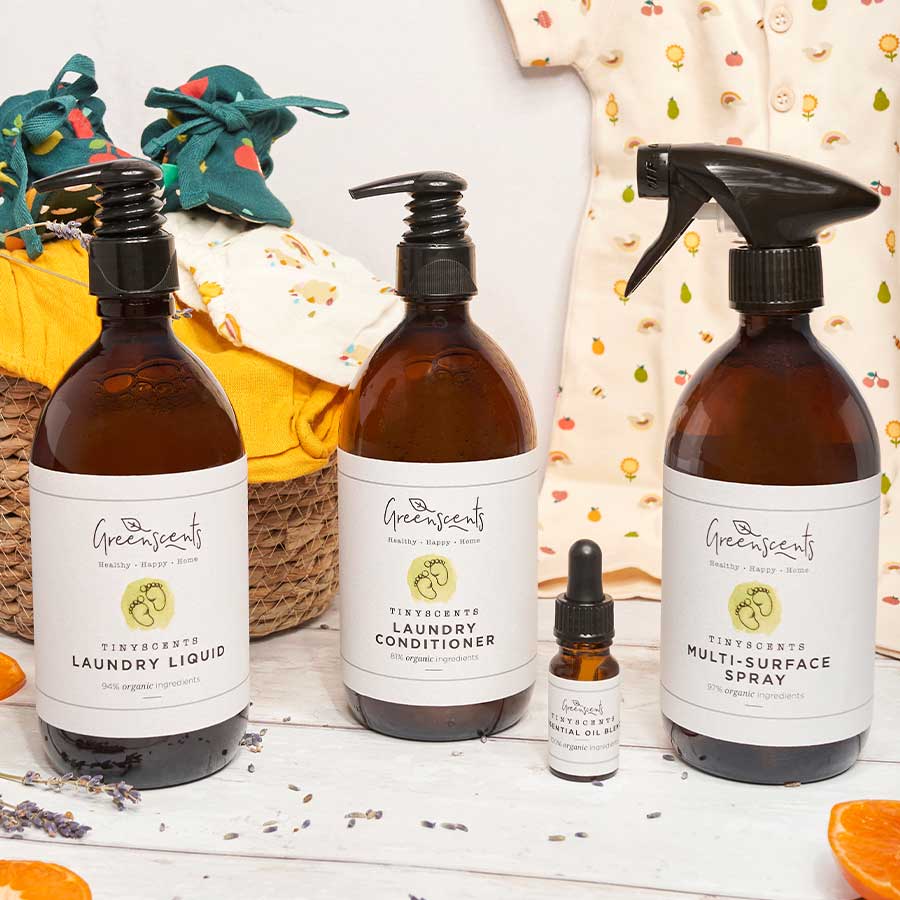
Small Changes Can Make a Big Difference Many parents begin paying closer attention to ingredients when a baby arrives. Products that once seemed harmless suddenly prompt questions. What is in this? Why does it smell so strong? Is it really necessary? Many families searching for non-toxic cleaning products, fragrance-free laundry detergents or safer household products for babies discover that creating a healthier home environment is often about making informed choices. From laundry products and indoor air quality to ingredient transparency and fragrance choices, every decision can contribute to a lower-toxin home.   While it is impossible to eliminate every environmental exposure, creating a lower-toxin home is often about making thoughtful choices rather than striving for perfection. Small changes across everyday products can help reduce unnecessary chemical exposure while creating a calmer, healthier environment for the whole family.At Greenscents, we believe effective cleaning should never come at the expense of health, transparency or the environment. Whether you have a newborn baby, growing children or simply prefer a gentler approach to household products, understanding what comes into your home is the first step.   Why Children Are More Sensitive to Their Environment Children are not simply smaller adults. Their bodies and systems are still developing, and they often experience greater exposure relative to their body weight than adults.Young children spend more time indoors, crawl and play on floors, touch surfaces frequently and regularly place their hands in their mouths. They also breathe more air per kilogram of body weight than adults, increasing their exposure to indoor pollutants.¹For this reason, many health organisations recommend reducing unnecessary exposures where practical, particularly during infancy and early childhood.   The Hidden Environment Inside Our Homes When people think about pollution, they often think about busy roads or industrial areas. However, research increasingly shows that indoor environments can contain a complex mixture of chemicals from cleaning products, laundry detergents, fragrances, air fresheners, furnishings and building materials.²Modern homes are typically well insulated and energy efficient, but this can sometimes reduce natural ventilation. As a result, chemicals released indoors may remain in the air for longer periods.   Why Parents Are Asking More Questions About Fragrance A generation ago many people simply accepted fragrance as part of cleaning. This shift is particularly noticeable among parents of young children and people living with allergies, asthma or sensitive skin. Today, consumers are asking more questions about what creates those fragrances, how many fragranced products they use each day and whether strong scent is always necessary.Laundry detergents, fabric conditioners, cleaning sprays, toilet cleaners, candles and air fresheners can all contribute fragrance to the indoor environment. Research suggests that a significant proportion of adults report some degree of fragrance sensitivity.⁶   Fragrance Doesn't Need to Overpower to Work One of the biggest misconceptions in modern cleaning is that stronger fragrance equals better performance. In reality, fragrance and cleaning performance are largely separate considerations.Many consumers now prefer products with little or no fragrance, while others enjoy subtle scents that do not dominate the home environment. This philosophy inspired the development of the Greenscents Tinyscents collection – a gentler approach to fragrance for the whole family – alongside the Nonscents range, which is completely fragrance free.   The Difference Between Organic Essential Oils and Synthetic Fragrance   Not all fragrance is created equal. Organic essential oils and synthetic fragrances are very different approaches to fragrancing products. Many consumers choose organic essential oils because they are derived from plants, produced to certified organic standards and support a more transparent approach to formulation. For families who enjoy fragrance, products scented with carefully selected organic essential oils can provide a gentle, natural aroma without the heavily fragranced experience often associated with conventional household products. In addition to their aroma, many organic essential oils have traditionally been valued for their cleaning, deodorising and sensory qualities, which is one reason they have been used in household products for generations.   The key is balance. More fragrance is not necessarily better. For babies, young children and sensitive households, lower fragrance levels are often preferable. A gentle scent can make household products enjoyable to use while avoiding the heavily fragranced experience that many consumers are now moving away from. This philosophy inspired the Greenscents Tinyscents collection – a gentler approach to fragrance for the whole family. Tinyscents uses carefully selected certified organic essential oils at lower levels than many conventional fragranced products, providing a subtle aroma designed for those who appreciate fragrance but prefer a softer and more understated approach. For households with very sensitive individuals, fragrance-free options may still be the preferred choice. However, for many families, thoughtfully formulated products fragranced with organic essential oils can offer a happy middle ground between fragrance-free living and strongly scented conventional products. What Stays on Fabrics Matters More Than You Think Clothing, bedding, towels and baby clothes remain in prolonged contact with the skin. This makes laundry products particularly important when creating a lower-toxin home.Families often begin reviewing laundry products when a child develops sensitive skin, eczema or unexplained irritation, particularly because clothing, bedding and towels remain in close contact with the skin for many hours each day. Babies spend many hours sleeping on bedding and wearing freshly washed clothing. Children and adults may spend eight or more hours each day in contact with bedding and nightwear.For these reasons, laundry products are often one of the first areas families choose to review when reducing unnecessary exposure to fragrances and other additives. Ingredient Transparency Matters One of the biggest challenges facing consumers is understanding what is actually inside household products.Terms such as “natural”, “green”, “eco-friendly” and “plant-based” are widely used, yet ingredient disclosure varies considerably between brands. Many consumers assume these terms automatically indicate simplicity and transparency. Unfortunately, this is not always the case.Independent certification can help consumers make informed choices. Certification schemes such as The Soil Association assess ingredients, manufacturing standards and environmental impact against defined criteria, providing an additional layer of scrutiny beyond marketing claims.At Greenscents, we believe every ingredient should be listed clearly and honestly, enabling customers to understand exactly what they are bringing into their homes. Why Consumers Are Looking More Closely at Ingredients Consumer awareness of chemical exposure has increased significantly over the past decade. Organisations such as Breast Cancer UK have helped raise awareness of endocrine disrupting chemicals (EDCs) and the importance of reducing unnecessary exposure where practical.It is important to remember that exposure does not come from a single source. Instead, it may come from many small sources throughout everyday life, including personal care products, cleaning products, food packaging, furnishings and household dust.For most families, the goal is not perfection. It is simply to make informed choices and reduce unnecessary chemical complexity where practical. Indoor Air Quality: The Forgotten Health Factor People often focus on food and water when considering health, but indoor air quality is equally important. Poor indoor air quality has been linked to a range of health concerns, particularly in children and vulnerable groups. While many factors contribute to indoor air quality, household products, ventilation and fragrance use are all areas where consumers can make informed choices.¹⁻The average person spends most of their time indoors, and children often spend even longer periods inside homes, nurseries and schools.¹ Modern homes can contain a mixture of airborne particles, cleaning product emissions, cooking emissions and outdoor pollutants that enter the home.²⁻⁵   Five Simple Steps Towards a Lower-Toxin Home 1. Improve ventilation. Fresh air remains one of the simplest ways to dilute indoor pollutants.2. Reduce unnecessary fragrance. Consider whether every product in the home needs a strong scent.3. Choose products with transparent ingredient lists. Understanding what is inside the products you use is the first step towards making informed decisions.4. Review your laundry routine. Fabrics remain in direct contact with skin for many hours each day.5. Consider certified and refillable products. Independent certification and refill systems can help consumers identify products that align with their environmental, ethical and health priorities. A Lower-Toxin Home Starts With Everyday Choices The products we use every day shape the environments in which our families live, sleep and grow.Creating a lower-toxin home does not require expensive renovations or dramatic lifestyle changes. Instead, it often begins with small, practical steps taken consistently over time.Choosing transparent ingredients. Reducing unnecessary fragrance. Improving ventilation. Selecting independently certified products where possible.The goal is not perfection. It is progress. By making informed choices and focusing on what matters most, families can create homes that feel cleaner, calmer and more aligned with their values. Frequently Asked Questions What is a lower-toxin home?A lower-toxin home aims to reduce unnecessary chemical exposures through informed choices about cleaning products, fragrances, furnishings, ventilation and everyday household routines.Are fragranced products harmful?Not necessarily. Many fragranced products are considered safe for use. However, some people experience fragrance sensitivity and prefer products with little or no fragrance. Why do some families choose organic essential oils instead of synthetic fragrance? Many families prefer products fragranced with certified organic essential oils because they are plant-derived, produced to recognised organic standards and support greater ingredient transparency. When used at appropriate levels, organic essential oils can provide a gentle fragrance while maintaining a simpler approach to formulation.   How can I improve indoor air quality naturally?Regular ventilation, reducing unnecessary fragrances, controlling dust and choosing products with transparent ingredient lists can all help. References 1. Royal College of Paediatrics and Child Health. The Inside Story: Health Effects of Indoor Air Quality on Children and Young People. London: RCPCH; 2020.2. World Health Organization. WHO Global Air Quality Guidelines. Geneva: WHO; 2021.3. Nazaroff WW, Weschler CJ. Cleaning products and air fresheners as sources of indoor air pollutants. Atmos Environ. 2004;38(18):2841–2865.4. Singer BC, Destaillats H, Hodgson AT, Nazaroff WW. Cleaning products and air freshener emissions: exposure to primary and secondary air pollutants. Atmos Environ. 2006;40(35):6696–6710.5. Steinemann A. Volatile emissions from consumer products and associated health risks. Build Environ. 2015;93:262–267.6. Steinemann A. Fragranced consumer products: exposures and effects from emissions. Air Qual Atmos Health. 2016;9(8):861–866.7. Steinemann A. International prevalence of fragrance sensitivity. Air Qual Atmos Health. 2019;12:891–897.8. World Health Organization, United Nations Environment Programme. State of the Science of Endocrine Disrupting Chemicals. Geneva: WHO/UNEP; 2013.9. Gore AC et al. EDC-2: The Endocrine Society's Second Scientific Statement on Endocrine-Disrupting Chemicals. Endocr Rev. 2015;36(6):E1–E150.10. European Commission. State of the Art Assessment of Endocrine Disrupters. Brussels: European Commission; 2012.11. Breast Cancer UK. Endocrine Disrupting Chemicals: What Are They and Why Do They Matter?

Wake Up to What Your Cleaning Products Leave Behind

Blog

Wake Up to What Your Cleaning Products Leave Behind

by Katie Holloway on May 13 2026
Understanding residue, fragrance and indoor air — and why formulation matters We use cleaning products every day — but how often do we question what they leave behind? Washing up liquid. Laundry detergent. Surface sprays. They are part of everyday routines, used without much thought. The assumption is simple: they clean effectively and then disappear. But not all formulations are designed to do that. Some ingredients are intended to remain — binding to fabric, coating surfaces or lingering in the air. Others are slow to break down, particularly in enclosed indoor environments. Over time, this repeated, low-level exposure becomes part of everyday living, even if it is rarely recognised as such. Understanding what stays — and why — is the first step in making more informed choices about how we clean our homes. What Does “Clean” Actually Mean? When you wipe a surface, wash your clothes or rinse your dishes, the expectation is straightforward: That the job is done — and nothing is left behind. However, this depends entirely on how a product has been formulated. Many conventional cleaning and laundry products contain: Synthetic surfactants Artificial fragrances Optical brighteners Preservatives and stabilisers These ingredients are selected not only for cleaning performance, but also for sensory effect — appearance, scent and feel. In some cases, they are designed not to rinse away completely. Fragrance compounds, for example, are often engineered to adhere to fabric fibres, resisting heat and rinsing so that scent remains noticeable long after washing [1,2]. What is perceived as “fresh” may, in reality, be residual material left behind by design. What Stays in Fabric Does Not Stay Isolated Clothing, towels and bedding are in constant contact with the skin. If residues remain within fibres, they do not remain static. They are: Rehydrated through moisture and sweat Released gradually through friction Transferred to the skin over time This repeated exposure has been associated with skin irritation and contact dermatitis, particularly in individuals with sensitive or compromised skin [7]. Importantly, the effects are not always immediate or obvious. They may present as: Dryness or tightness Low-level irritation Increased sensitivity over time Because these symptoms develop gradually, they are rarely attributed to laundry products — even when they play a role. Laundry is another area where formulation has a direct, ongoing impact. Fabrics sit against the skin for hours at a time, and repeated washing cycles can either reduce or build up residue depending on the products used. Choosing formulations designed to rinse cleanly becomes particularly important here. Indoor Air: The Overlooked Exposure Cleaning products do not only affect surfaces and fabrics. They also affect indoor air quality. Fragranced products, in particular, release volatile organic compounds (VOCs) into the air during and after use. In enclosed spaces, these compounds can accumulate, especially where ventilation is limited [3]. Studies have linked regular use of fragranced cleaning sprays to: Respiratory irritation Headaches Increased asthma symptoms over time [4] This is not always a matter of acute reaction. It is more often a question of ongoing, low-level exposure — repeated daily, across multiple products. This is particularly relevant in kitchens and bathrooms, where cleaning products are used frequently and often in enclosed spaces. In these environments, the choice of formulation affects not only surfaces, but the air within the room itself. Fragrance: Designed to Last Fragrance is one of the least transparent components of household products. On product labels, it is often listed simply as “parfum” or “fragrance” — a term that can represent a complex mixture of many individual chemicals [5,6]. These formulations are designed to: Mask base odours Deliver a consistent scent profile Persist after use Persistence is not accidental. It is achieved through the use of compounds that are resistant to evaporation and breakdown, allowing scent to remain on fabrics and in the air. This raises a simple but important question: If a fragrance is designed to remain, where does it remain — and for how long? Why Formulation Matters The difference between products is not only what they contain, but what they are designed to do after use. In conventional formulations, performance is often linked to: Longevity of scent Visual effect (brightness, shine) Texture and feel In contrast, well-formulated organic products typically prioritise: Effective cleaning Complete rinsability Biodegradability after use This changes the outcome. Rather than: Coating surfaces Remaining in fabrics Contributing to indoor air load They are designed to: Perform their function Rinse away effectively Break down more readily in the environment In practical terms: They clean — and then they leave. Where Change Has the Greatest Impact It is not necessary to change everything at once. The most meaningful improvements tend to come from addressing frequent, repeated exposures. In most homes, these are: Washing up liquid Laundry products Everyday cleaning sprays These products are used daily, often multiple times, and come into direct contact with skin, surfaces and air. For many households, this is why washing up liquid is often the most logical place to start. It is used multiple times a day, comes into direct contact with hands and food surfaces, and is rarely questioned. A formulation that cleans effectively but rinses away fully can make a meaningful difference over time. Small changes in these areas can significantly reduce cumulative exposure over time. An Often Overlooked Area: Bathroom Cleaning Bathrooms are another area where product choice is rarely questioned, yet exposure can be significant. Toilet cleaners, in particular, are often highly fragranced and used in enclosed spaces, where residues and vapours have little opportunity to dissipate quickly. This can contribute to: Lingering chemical odours Increased indoor air load Repeated inhalation exposure in a confined environment Choosing formulations that clean effectively without relying on harsh chemicals or persistent fragrance can make a noticeable difference — not just to the surfaces being cleaned, but to the overall environment of the room. A More Considered Approach to Cleaning This is not about avoiding cleaning products. It is about understanding how they work — and what remains after use. A well-functioning home environment should feel: Neutral Comfortable Non-irritating Not heavily scented or chemically persistent. In practice, this often leads to a more considered approach — starting with the products used most frequently, and gradually extending that thinking across the home. Final Thought Most cleaning products are used without a second thought. But they are not neutral. They are formulated systems, designed with specific outcomes in mind — some visible, some less so. Understanding those outcomes allows for more informed decisions. Wake up to what you’re really living with. References Steinemann A. Ten questions concerning fragrance-free policies and indoor environments. Build Environ. 2019;159:106054. Steinemann A. Fragranced consumer products: exposures and effects from emissions. Air Qual Atmos Health. 2016;9:861–866. Nazaroff WW, Weschler CJ. Cleaning products and air fresheners as sources of indoor air pollution. Atmos Environ. 2004;38(18):2841–2865. Zock JP, Plana E, Jarvis D, et al. The use of household cleaning sprays and adult asthma. Am J Respir Crit Care Med. 2007;176(8):735–741. Dodson RE, Nishioka M, Standley LJ, et al. Endocrine disruptors and asthma-associated chemicals in consumer products. Environ Health Perspect. 2012;120(7):935–943. European Commission. Opinion on fragrance allergens in cosmetic products (SCCS/1459/11). 2012. Basketter DA, Angelini G, Ingber A, et al. Detergents and skin irritation. Contact Dermatitis. 2004;50(1):1–11. International Agency for Research on Cancer (IARC). Some chemicals present in industrial and consumer products. IARC Monogr. 2013;101. Holm SM, Leonard V, D’Silva M, et al. Household cleaning products: health risks and safer alternatives. Environ Health. 2020;19:1–12.  
Get to Know Greenscents: Organic Cleaning with Founder Christina Hawkes

Blog

Get to Know Greenscents: Organic Cleaning with Founder Christina Hawkes

by Katie Holloway on Apr 28 2026
Our founder, Christina Hawkes, has recently taken part in a warm and honest Q&A with England, Naturally – a much-loved platform that celebrates thoughtful British brands, sustainable living, and products made with real care. It is a wonderful chance to get to know the person and principles behind Greenscents, and to understand why so many customers are choosing to make the switch to organic homecare. Question 1 You're one of the few companies that avoid plastic to produce cleaning and laundry products in glass bottles that people can reuse and send back for washing and refilling. This is obviously a great idea. It would be interesting to know what your take is on the stalled deposit return scheme. Apparently the English government has delayed it, saying that glass should not be included, while other countries want to include it, as has happened for decades abroad. As experts in reusable glass, why do you think glass is not being included for England, and what is your take on this? We’ve always believed that reuse is the gold standard — not recycling. Glass is one of the few materials that can be reused repeatedly without degrading. That’s why we chose it, despite the higher cost and complexity. Our customers already operate a simple version of a return system — reusing bottles at home and refilling them with our larger containers. The hesitation around including glass in England’s deposit return scheme is largely about cost, weight and logistics. Glass is heavier to transport and more complex to handle at scale. But that doesn’t mean it shouldn’t be done — many countries have successfully included glass for decades. From our perspective, the UK risks being overly cautious and short-term in its thinking. If we are serious about reducing waste, we need to prioritise systems that support reuse, not just recycling. Glass has a clear and proven role to play in that. Question 2 Again, you're one of the only certified organic cleaning and laundry brands in England. How come conventional brands don't have to list the ingredients like say beauty brands? And give us your take on why you avoid palm oil completely, rather than using the so-called 'sustainable palm oil', used in many brands? It’s a gap that very few people are aware of. Unlike cosmetics, cleaning products are not required to fully disclose their ingredients, which allows brands to hide behind terms like “fragrance” — a label that can represent dozens of undisclosed chemicals. We don’t believe that’s acceptable. These products are used every day, on clothes, surfaces, and around families. Transparency should not be optional. Our Soil Association certification goes further and requires full ingredient disclosure. Every ingredient must be clearly listed — no vague terms, no hidden elements. On palm oil, we are certified palm oil free by POFCAP (Palm Oil Free Certification Accreditation Programme). While “sustainable” palm oil is often presented as the answer, certification schemes do not fully eliminate the risks of deforestation and habitat loss. By being completely palm oil free — and independently certified — we remove that ambiguity entirely. For us, it’s not about doing less harm — it’s about avoiding the problem altogether. Question 3 You make your products in Somerset with Exmoor water. Tell us a few fun facts about your beautiful county, and why people should visit aside from enjoying a pint of scrumpy! Greenscents is based on the edge of Exmoor, one of the most unspoilt landscapes in the UK. Exmoor is an official Dark Sky Reserve, with some of the clearest night skies in Europe It is home to the native Exmoor pony, one of the oldest horse breeds in the world The nearby coastline includes some of the highest sea cliffs in England In 2020, a family of beavers was released into the River Aller on the Holnicote Estate to restore landscapes and manage water naturally Somerset itself has a long tradition of independent producers and craftsmanship. It’s not just about scenery — it’s about doing things more carefully and with greater integrity. That ethos feeds directly into how we formulate and manufacture our products. But if you fancy a drink there is always Woods in Dulverton or the newly reopened White Hart in Wiveliscombe. Question 4 You have a wonderful Nonscents collection. This is ideal for pregnancy, nursing, allergies, babies and pets. Tell us more about this, so people who can't use scents can enjoy eco-friendly cleaning and laundry products. You say on your social media that some laundry detergents can weaken the skin barrier. Can you please expand more on this, as so many people these days have sensitive skin and eczema. Nonscents is the heart of the Greenscents range — and always has been. Fragrance is one of the most common triggers for sensitivity, yet it remains a default ingredient in most cleaning and laundry products. It is often listed simply as “parfum”, which can represent a complex, undisclosed blend of ingredients. Nonscents removes the fragrance variable entirely. Laundry detergents often leave residues such as fragrances, optical brighteners, and enzymes on fabrics. Clothing sits in continuous contact with the skin, which can lead to repeated exposure. For individuals with eczema or sensitive skin, this may contribute to irritation. The Greenscents approach focuses on effective cleaning without unnecessary residues. Question 5 Some people believe that eco cleaning and laundry products cost more. But presumably as your service is refillable, they end up costing less. Can you give a little maths, to persuade people to switch over?! And also give details for zero waste and other indie shops, on how they could order wholesale for you, and can they offer refill stations? There’s a perception that eco products should always be cheaper, but that depends on what sits behind them. Our products are highly concentrated, so the meaningful comparison is cost per use rather than cost per bottle. For example, a 5L refill of our laundry liquid delivers approximately 220 washes. When viewed this way, the cost per wash is highly competitive. Refilling reduces long-term cost and waste. Customers are not just buying a product — they are choosing ingredient integrity, environmental responsibility, and a more considered way of living. For independent and zero-waste retailers, we offer a straightforward wholesale model with retail-ready glass bottles and refill formats. Many partners also operate refill stations. We’re particularly keen to work with retailers who want to offer something genuinely different — not just “eco” in name, but in substance.
Are Your Cleaning and Laundry Products Triggering Allergies at Home?

Blog

Are Your Cleaning and Laundry Products Triggering Allergies at Home?

by Christina Hawkes on Apr 02 2026
The hidden causes of irritation, sensitivities and poor indoor air quality   Allergy season is often blamed on pollen. But what if the problem isn’t just outside your home - but inside it? Every day, we wash our clothes, clean our kitchens and freshen our homes. These routines are meant to support health and hygiene. But have you ever stopped to ask: What are these products leaving behind?And what are you breathing in as you use them? For many households, the answer may be contributing to ongoing irritation, sensitivities and poor indoor air quality. Indoor air pollution: the overlooked exposure We tend to think of pollution as something external — traffic fumes, industrial emissions, urban air. Yet research suggests that indoor air can be significantly more polluted than outdoor air, particularly in modern, well-insulated homes [1,2]. Cleaning products play a major role in this. Sprays and fragranced cleaners release volatile compounds and fine particles into the air, contributing to both immediate and longer-term exposure [8,9]. Studies have linked frequent use of household cleaning sprays to increased respiratory symptoms and asthma-like effects, particularly in women and children [3]. So the question becomes: If you clean regularly, are you also increasing your exposure?   “Fragrance”: the ingredient you never see Turn over almost any conventional cleaning or laundry product and you’ll find a single word listed: Fragrance. It sounds harmless — even appealing. But this one term can represent a complex mixture of dozens or even hundreds of chemicals, most of which are not disclosed on the label [5,10]. These blends are designed to linger. To create the impression of freshness. To mask other ingredients. But at what cost? Fragrance exposure has been associated with: Skin irritation Headaches Respiratory discomfort Sensitisation over time [5,11] Even products marketed as “green” or “natural” often still contain fragrance — simply derived differently, but still capable of causing irritation. So it is worth asking: Is a “clean” smell really a sign of cleanliness — or simply added chemicals? What stays on your clothes stays on your skin Laundry products are not rinsed away completely. Residues from detergents, conditioners and fragrance compounds remain embedded in fabrics, particularly in synthetic materials and thicker items like towels and bedding [7]. This means: Continuous contact with skin Prolonged exposure throughout the day and night For individuals with sensitive skin, eczema or allergies, this can be particularly problematic. Babies and young children are even more vulnerable, with more permeable skin and closer contact with fabrics. So consider: Are your clothes truly clean — or coated in something else? Why fragrance in laundry is designed to stay — and why that matters Laundry products are no longer designed simply to clean fabrics. Many are engineered to leave a lasting sensory effect, particularly through fragrance. To achieve this, manufacturers use a combination of: Hydrophobic fragrance compounds (which bind easily to fibres) Encapsulation technologies (microcapsules that release scent over time) Cationic surfactants and conditioning agents (which help fragrance adhere to fabric surfaces) These systems are deliberately designed to make fragrance persist through washing, drying and wear. In practical terms, this means: The scent you notice is not incidental — it is engineered to remain Fragrance compounds are retained within the fibres of clothing, towels and bedding They are gradually released during wear, through friction and body heat So rather than being rinsed away, these substances are in continuous contact with the skin and surrounding air. Why is it difficult to wash out? Many fragrance ingredients are fat-soluble, which allows them to bind to: Synthetic fibres (such as polyester and elastane) Natural fibres that retain oils (such as cotton) Once deposited, they are not easily removed by standard washing, particularly at lower temperatures. Encapsulated fragrance systems can make this even more persistent. Microcapsules are designed to: Survive the wash cycle Attach to fabric surfaces Break open gradually during use This creates the impression of “long-lasting freshness” — but also extends exposure well beyond the wash itself. What does this mean for health? Fragrance mixtures can contain a wide range of chemical components, including: Volatile organic compounds (VOCs) Known fragrance allergens Fixatives designed to prolong scent Some of these substances have been associated with: Skin irritation and sensitisation Respiratory discomfort Headaches and chemical sensitivity responses [5,11] When these compounds remain in fabrics, exposure becomes: Continuous rather than occasional Direct (skin contact) as well as inhaled For individuals with sensitive skin, allergies or other vulnerabilities, this can be particularly significant.   A question worth asking If a product is designed to leave something behind on your clothes —shouldn’t we be asking exactly what that is, and whether it belongs there at all? The problem with “green” cleaning products As awareness grows, many consumers turn to “eco” or “natural” products. But not all of these deliver what they imply. Some still contain: Synthetic surfactants Artificial or “nature-identical” fragrance Preservatives with irritant potential [7] Labelling can be vague. Ingredient lists incomplete. Claims unregulated. Without full transparency, it becomes difficult to understand what you are actually bringing into your home. So the real question is: How do you distinguish between genuinely low-tox products and clever marketing? Who is most affected? While anyone can be impacted by repeated exposure, certain groups are more vulnerable or more aware of the need to reduce it: Individuals with allergies or asthma Those with sensitive or reactive skin Babies and young children People with multiple chemical sensitivities [6] Those seeking to reduce long-term health risks, including cancer-related exposures Older adults, who may be more susceptible to cumulative environmental exposures For many, reducing exposure is not simply a lifestyle choice — it is a considered decision about long-term health and well-being. If exposure happens every day, even small amounts begin to matter. What should you look for instead? If reducing exposure is the goal, then product choice becomes critical. Look for: Fragrance-free formulationsNot “unscented” (which may still contain masking agents), but genuinely free from added fragrance Full ingredient transparencyEvery ingredient clearly listed and identifiable Certified standardsIndependent certification can provide reassurance beyond marketing claims Simple formulationsFewer ingredients, fewer potential irritants The aim is not sterility or harshness — but effective cleaning without unnecessary exposure. A cleaner home — or simply a more fragranced one? We are taught to associate scent with cleanliness. But this is a relatively modern idea. A truly clean home does not need to smell of anything at all. As awareness of indoor air quality and chemical exposure grows, many households are beginning to question long-standing assumptions. Research continues to highlight the role of fragranced and cleaning products in indoor environments, reinforcing the importance of informed choices [8,9,12]. Because ultimately: Clean should never come at the cost of health.And the products we use every day should not be a source of ongoing exposure. Rethinking everyday choices Reducing exposure does not require drastic change. It starts with awareness. By reconsidering what we use — on our surfaces, in our laundry and in the air around us — we can create homes that are not only clean, but genuinely supportive of well-being. And perhaps the most important question to ask is this: If something is used every day, shouldn’t we be absolutely sure it belongs in our home?   References World Health Organization. WHO guidelines for indoor air quality: selected pollutants. Copenhagen: WHO Regional Office for Europe; 2010. Weschler CJ. Changes in indoor pollutants since the 1950s. Atmos Environ. 2009;43(1):153–169. Zock JP, Plana E, Jarvis D, et al. The use of household cleaning sprays and adult asthma. Am J Respir Crit Care Med. 2007;176(8):735–741. Casas L, Espinosa A, Borràs-Santos A, et al. Domestic use of bleach and infections in children: a multicentre cross-sectional study. Occup Environ Med. 2015;72(8):602–604. Steinemann A. Fragranced consumer products: exposures and effects from emissions. Air Qual Atmos Health. 2016;9:861–866. Steinemann A. National prevalence and effects of multiple chemical sensitivities. J Occup Environ Med. 2018;60(3):e152–e156. Dodson RE, Nishioka M, Standley LJ, et al. Endocrine disruptors and asthma-associated chemicals in consumer products. Environ Health Perspect. 2012;120(7):935–943. Nazaroff WW, Weschler CJ. Cleaning products and air fresheners: exposure to primary and secondary air pollutants. Atmos Environ. 2004;38(18):2841–2865. Uhde E, Schulz N. Impact of room fragrance products on indoor air quality. Atmos Environ. 2015;106:492–502. European Commission. Fragrance allergens in cosmetic products. Brussels: European Commission; 2012 & fragrance allergen labelling 2020. Basketter DA, White IR, McFadden JP. Skin sensitization and fragrances: reviewing the evidence. Contact Dermatitis. 2015;72(5):273–281. The Conversation UK. Indoor air pollution: the hidden health risk in your home. 2023 & a selection of essays https://theconversation.com/topics/indoor-air-quality-46103
Natural Spring Cleaning Tips for a Healthier Home

Blog

Natural Spring Cleaning Tips for a Healthier Home

by Katie Holloway on Mar 23 2026
Natural Spring Cleaning Tips for a Healthier Home   Spring is the perfect time to reset your home. As daylight increases and windows open again, many people feel the urge to clear out winter dust and refresh their living spaces. However, many conventional spring cleaning routines rely on strong chemicals and synthetic fragrances that can linger indoors long after cleaning has finished. Research suggests that indoor air can sometimes be two to five times more polluted than outdoor air, particularly when conventional cleaning sprays and fragranced products are used regularly. Taking a more natural approach to spring cleaning helps improve indoor air quality while keeping your home fresh and healthy for the months ahead. With a few versatile products and some simple techniques, it’s possible to give your home a thorough refresh without relying on harsh chemicals. Spring Cleaning Tip 1: Start with the Places We Forget Most people begin spring cleaning with obvious surfaces such as floors, kitchens and bathrooms. But some of the biggest sources of dust are the areas we rarely think about. Over winter, dust settles on lamp shades, door frames, picture rails, curtain tops and window ledges. When these areas are disturbed later, dust simply spreads around the room again. Cleaning these surfaces first prevents dust circulating while you continue cleaning the rest of the space.   Quick tip:Use a slightly damp cloth or a vacuum with a soft brush attachment to remove dust from lampshades and curtain tops. Spring Cleaning Tip 2: Refresh Fabrics Around the Home Winter often leaves fabrics holding onto dust, moisture and stale air. Spring is the ideal time to wash items that rarely go into the laundry basket. Consider laundering: Pillows and pillow protectors Cushion covers and throws Lightweight rugs and washable mats Sofa blankets Dog bedding A gentle detergent such as Greenscents Organic Laundry Liquid cleans fabrics effectively without leaving synthetic fragrance residues in the home. Whenever possible, dry laundry outside in fresh air and sunlight. Outdoor drying naturally freshens fabrics and helps remove lingering odours. Quick tip:Sunlight naturally reduces odours and bacteria in fabrics, making outdoor drying one of the simplest ways to refresh laundry. Drying laundry outdoors naturally freshens fabrics and avoids artificial fragrance residues indoors.   Spring Cleaning Tip 3: Clean Your Cleaning Appliances Washing machines and dishwashers quietly accumulate residue from detergents, grease and minerals from hard water. Giving these appliances a quick refresh helps them perform better and prevents unpleasant smells developing. Run an empty hot cycle with white vinegar to break down mineral deposits and detergent build-up. Wipe the door seals, detergent drawers and filters where grime often collects.   Quick tip:Leave washing machine and dishwasher doors slightly open after use to allow moisture to escape and prevent mould growth. Spring Cleaning Tip 4: Focus on High-Touch Surfaces Many of the most frequently touched areas in the home are also the most overlooked. These include: Door handles Light switches Tap handles Fridge and cupboard handles Remote controls Stair bannisters Cleaning these regularly helps maintain a healthier home environment. An organic sanitiser can remove everyday grease and microbes without releasing harsh chemical vapours into indoor air.   Quick tip:Spray cleaner onto a cloth rather than directly onto switches or electronics. Spring Cleaning Tip 5: Use Castile Soap for Versatile Cleaning   One of the most useful natural cleaning products is Castile Soap. Made from plant oils, this traditional soap can be diluted with warm water to create a gentle but effective cleaner for many surfaces around the home. Castile soap works well for: Kitchen worktops Painted surfaces and cupboards Spot cleaning upholstery Hand washing delicate fabrics Removing everyday marks and stains Because Castile soap is plant-based rather than petrochemical, it helps reduce the number of synthetic chemicals circulating in indoor air.   Quick tip:A few drops of Castile soap diluted in warm water is usually enough for most cleaning jobs. Spring Cleaning Tip 6: Freshen Drains Naturally   Bathrooms often benefit most from a seasonal deep clean. Soap residues and product build-up can accumulate in shower drains and sinks over time. A traditional natural method can help loosen these deposits. Pour several tablespoons of bicarbonate of soda down the drain Add a splash of vinegar Allow the mixture to fizz for 10–15 minutes Flush with hot water. This simple reaction helps break down residue and reduce odours without harsh chemical drain cleaners.   Quick tip:Chemical drain cleaners can release strong vapours and may damage pipework if used frequently. A traditional combination of bicarbonate of soda and vinegar can help freshen drains without harsh chemicals.   Spring Cleaning Tip 7: Reduce Hidden Fragrance Build-Up   Many homes contain multiple fragranced products including detergents, cleaning sprays, candles and air fresheners. Over time these fragrances can accumulate indoors, particularly during winter when windows remain closed. Spring cleaning offers a good opportunity to reset the home environment. Switching to fragrance-free or naturally scented cleaning products allows your home to smell naturally clean rather than artificially perfumed.   Quick tip:Opening windows for even a few minutes can refresh a room more effectively than using artificial air fresheners. Spring Cleaning Tip 8: Don’t Forget Outdoor Items   As the weather improves, it’s also time to refresh items that will be used outdoors again. Spring is ideal for washing: Outdoor cushions Picnic blankets Garden tablecloths Reusable shopping bags Drying these items outside restores freshness naturally and avoids introducing unnecessary chemicals indoors. A Natural Approach to Spring Cleaning   Spring cleaning doesn’t need to involve complicated routines or cupboards full of different products. By focusing on fresh air, simple natural ingredients and versatile plant-based cleaners, it’s possible to refresh your home while improving indoor air quality and reducing exposure to unnecessary toxins. A natural spring clean leaves the home feeling lighter, fresher and ready for the brighter months ahead. Natural Spring Cleaning Checklist   ✔ Clean lampshades, curtain tops and high surfaces first✔ Wash pillows, cushions and blankets✔ Run a vinegar cycle in washing machines and dishwashers✔ Clean door handles and other high-touch areas✔ Use Castile soap for versatile everyday cleaning✔ Freshen drains with bicarbonate and vinegar✔ Reduce synthetic fragrances indoors✔ Dry laundry outside whenever possible  
Spring Kitchen Reset: Why Your Washing Up Liquid Matters More Than You Think

Blog

Spring Kitchen Reset: Why Your Washing Up Liquid Matters More Than You Think

by Christina Hawkes on Mar 04 2026
Spring cleaning often focuses on cupboards, ovens and decluttering shelves. But one of the most overlooked products in the kitchen is also one of the most frequently used: washing up liquid.
A non-toxic dishwasher powder that works

Blog

A non-toxic dishwasher powder that works

by Christina Hawkes on Jan 18 2026
We have tolerated toxic dishwasher products as a necessary evil knowing that hand washing everything is a non-starter for busy households – especially when cooking from scratch. Many of us have looked with despair at the extended list of complex-sounding ingredients...
How to detox your home for January

Blog

How to detox your home for January

by Christina Hawkes on Jan 08 2026
Simple swaps to reduce everyday chemical exposure January often brings a desire to reset — not just diets or routines, but the spaces we live in every day. For many households, a home detox isn’t about extreme change. It’s about understanding why everyday chemical exposure matters, and where small, practical choices can make a meaningful difference. Why reducing everyday chemical exposure matters Most people are exposed to a wide range of chemicals every day through the products they use in their homes. Cleaning sprays, laundry detergents and washing up liquids are among the most frequent sources of exposure because they are used regularly, often indoors, and in close contact with skin, clothing and food surfaces. Concern isn’t usually about a single product or ingredient — it’s about everyday, cumulative exposure over time. Public health and environmental organisations highlight that concern is about cumulative exposure over time — sometimes described as the “chemical cocktail” effect¹. While individual exposures may be small, repeated daily contact can add up, particularly in enclosed indoor environments. Research also shows that many household products release chemicals into indoor air during and after use, contributing to indoor air pollution². Indoor air can sometimes be more polluted than outdoor air, especially in winter when ventilation is reduced³. Fragranced household products are a well-recognised contributor to this indoor chemical load⁴⁵. Because these exposures are routine and ongoing, precautionary organisations such as Breast Cancer UK encourage reducing avoidable exposure where practical — particularly from products used most often in the home¹. "So many of our everyday products that we use in our homes contain Endocrine Disrupting Chemicals or EDCs. These are harmful chemicals that may interfere with the endocrine system by mimicking or blocking the action of hormones, which can lead to an increased risk of breast cancer as well as other health issues. Detoxing your home is one of the best steps you can take today to reduce your exposure to EDCs and thereby lower your risk of breast cancer." - Breast Cancer UK. A home detox is therefore not about fear or perfection. It is about making informed, proportionate choices that help reduce unnecessary chemical exposure as part of everyday life. Image credit: Vitaly Gariev via Unsplash What is a home detox? In the context of household products, a home detox does not mean eliminating everything at once or creating a sterile environment. It simply means: Reducing unnecessary synthetic chemicals where possible Choosing simpler formulations for everyday use Improving indoor air quality by avoiding heavily fragranced products Making gradual swaps rather than overwhelming changes Focusing on high-frequency products is one of the most effective ways to reduce overall exposure over time¹². Why January is a good time to start January is often when routines are calmer and people are more open to small resets. It is also a time when: Homes are less ventilated due to cold weather Cleaning and laundry routines continue daily Indoor air quality can worsen due to regular use of fragranced products Public health guidance highlights that reduced ventilation in winter can increase indoor concentrations of airborne chemicals³. Making a few targeted swaps at this time of year can therefore have a noticeable impact without requiring a full household overhaul. Focus on the products you use most A practical home detox works best when it starts with products that are used repeatedly and come into close contact with people every day. Cleaning sprays and surfaces Multi-surface sprays are often used daily and frequently contain fragrance formulations designed to linger. Studies show that fragranced cleaning products can emit volatile organic compounds (VOCs) during and after use, contributing to indoor air pollution⁴⁵. Choosing fragrance-free or simply formulated alternatives can help reduce inhalation exposure, particularly in kitchens and living spaces². Laundry products Laundry detergent residues remain in close contact with skin through clothing, towels and bedding. Research has identified laundry products as a significant source of prolonged skin and inhalation exposure to fragrance chemicals and surfactants⁶. For many households, switching to gentler, fragrance-free laundry products is one of the most effective home detox steps. Washing up liquids Washing up liquids are used daily on items that come into direct contact with food and hands. Simpler formulations can help reduce skin irritation and minimise chemical residues left on dishes and cookware⁷. The role of Castile soap in a January home detox Castile soap is often overlooked, but it can play a useful role in a home detox because of its versatility and simplicity. Traditionally made from plant oils rather than synthetic surfactants, Castile soap can help reduce the number of different products used in the home. Reducing the total number of products can also reduce cumulative exposure to preservatives, fragrances and other additives¹². During January, Castile soap can be used for: Diluted surface cleaning Handwashing Sink and tap cleaning Laundry pre-treatment or gentle handwashing For households new to Castile soap, starting with a single use and expanding gradually allows routines to simplify without disruption. Fragrance-free as a safe starting point Fragrance is one of the most complex components of household products. A single fragrance formulation can contain dozens of individual chemicals, many of which do not need to be disclosed on product labels⁸. Fragrance-free products provide a neutral baseline, particularly for sensitive skin, people with allergies or asthma⁹, pregnancy, and homes with babies, children or pets. Respiratory and public health organisations increasingly recognise fragrance as a contributor to indoor air pollution and irritation, particularly in enclosed spaces³⁹¹⁰. Sensitive skin, allergies and winter flare-ups Winter can be a particularly challenging time for people with sensitive skin, eczema, allergies or asthma. Colder weather, lower humidity and increased indoor heating can dry the skin and compromise the skin barrier, making irritation more likely. At the same time, people often rely more heavily on fragranced cleaning and laundry products while spending longer indoors, which can increase both skin contact and inhalation exposure³⁹. Respiratory and allergy organisations note that fragranced household products can aggravate symptoms in sensitive individuals, particularly in enclosed spaces⁹¹⁰. For these households, switching to fragrance-free, simply formulated products during winter can be a practical way to reduce avoidable triggers and support skin comfort until conditions improve in spring. A gentle, realistic approach The most successful home detoxes are the ones that fit into real life. There is no need to replace everything at once or follow strict rules. Evidence suggests that reducing cumulative exposure through small, sustained changes is more realistic — and potentially more effective — than drastic short-term interventions¹²¹¹. January is about setting intentions, not perfection. Reducing everyday chemical exposure through practical product choices is one small but meaningful way to support a healthier home environment over the year ahead. References Breast Cancer UK. Chemicals and everyday exposures. https://chemtrust.org/wp-content/uploads/BCexposuretochemicals.pdf World Health Organization. WHO guidelines for indoor air quality: selected pollutants. Copenhagen; 2010. Link UK Health Security Agency. Indoor air quality at home. Link Steinemann A. Volatile emissions from common consumer products. Air Qual Atmos Health. 2015;8(3):273–281. Link Nazaroff WW, Weschler CJ. Cleaning products and air fresheners: exposure to primary and secondary air pollutants. Atmos Environ. 2004;38(18):2841–2865. Link Dodson RE, et al. Endocrine disruptors and consumer products. Environ Health Perspect. 2012;120(7):935–943. https://pubmed.ncbi.nlm.nih.gov/22398195/ European Chemicals Agency. Understanding chemical exposure. Link Environmental Working Group. Guide to fragrance ingredients. Link Asthma UK. Cleaning products and asthma. Link British Lung Foundation. Household cleaning and lung health. Link European Commission. Chemicals Strategy for Sustainability. Link McKenzie LM, et al. Household chemical exposures and cumulative risk. Environ Res. 2014;132:373–381. Link Further reading https://www.tandfonline.com/doi/full/10.1080/17476348.2025.2478968 https://www.atsjournals.org/doi/10.1164/rccm.201706-1311OC
Why Natural Fabrics Are the Best Choice for Sensitive Skin and Eczema

Blog

Why Natural Fabrics Are the Best Choice for Sensitive Skin and Eczema

by Katie Holloway on Jul 10 2025
Itch Less. Sleep Better. Dress with Confidence. Living with eczema, psoriasis or sensitive skin isn’t just about managing symptoms. It’s about trying to get a decent night’s sleep, feeling confident in what you wear, and avoiding the next unpredictable flare-up. Whether you're dressing a child who can’t bear itchy seams, trying to find relief for your own sore skin, or simply looking for better comfort day to day, what you wear matters—a lot more than most people realise. Why Fabric is Often the Missing Piece We’re increasingly mindful about what goes on our skin—fragrance-free creams, gentle cleansers, and plant-based laundry detergents. But few stop to consider what’s rubbing against it all day long. For people with eczema, psoriasis, allergies or sensitive skin, clothing can make or break your skin health. Eczema Clothing’s own surveys have confirmed that over 50% of people with skin conditions experience: ·      Severe itching and broken skin from scratching ·      Disrupted sleep caused by sore, broken skin discomfort or heat ·      Irritation from seams, elastic, or synthetic fibres ·      A constant fear of triggering flare-ups And still, most high street clothing just doesn’t consider these issues. That’s why at Eczema Clothing  we do things differently. The Skin-Safe Fabric Formula: What Works and Why Clothing should support skin healing—not make it worse. That’s why we champion natural fibres, especially 100% organic cotton, for their proven skin-calming benefits: ·      Breathable and cooling – Helps regulate body temperature and reduce flare-ups ·      Soft and gentle – Soothes rather than aggravates sore, broken or reactive skin ·      Hypoallergenic – Minimises risk of allergic responses and irritation ·      No harsh chemicals – Grown and processed without synthetic pesticides or dyes ·      Durable and easy to wash at high temps – Washing at 60°C removes dust mites, creams, allergens and bacteria (unlike lower temperatures) Other natural options include silk (luxuriously soft but delicate), bamboo (moisture-wicking), and Tencel (smooth and breathable)— but generally these can only be washed at lower temperatures and may use chemicals in their manufacture. Not all “natural” equals skin-friendly e.g. wool can irritate and feel coarse on sensitive skin. It’s about choosing fabrics that truly work with your skin—not against it.     These benefits aren’t just theoretical. In a survey of over 350 Eczema Clothing customers 98% said our garments help them manage eczema and sensitive skin and over 75% (3 in 4) of customers said our clothes help reduce itching. Read Survey Results here At Eczema Clothing, we’ve built our range around the materials that truly work—not just for occasional use, but for daily, comfortable, long-lasting wear. Thoughtfully Designed for Real Life Our garments don’t just use better fabrics—they’re designed better too. Every product in our Cotton Comfort collection is developed with input from people living with eczema or sensitive skin and trialled by our team before it ever reaches you. Key features include: ·      Flat seams and no internal labels – To prevent rubbing or chafing ·      Integrated scratch mittens – To protect skin from scratching ·      No Velcro, zips, or irritating fastenings ·      Latex-free designs ·      Machine washable at 60°C – Vital for removing creams, allergens, and bacteria Because when you're dealing with a skin condition, everything—from the texture of your socks to how your sleeves sit—makes a difference. More Than a Brand: A Trusted Community We’re a small, passionate team who’ve lived with the issues you’re navigating. Our purpose is simple - to significantly reduce the impact of eczema and other itchy skin conditions.  That’s why, as well as clothing, we also offer: ·      Educational blogs and skin health guides ·      A private Facebook group for adults and parents dealing with eczema ·      Support to organisations like Eczema Outreach Support and BSACI ·      A carefully curated range of natural skincare we trust Enabling you and your family to live more comfortably and confidently through our clothing, skincare and advice. Comfort You Can Feel Good About Whether you’re looking for relief from irritated skin, shopping for a child with sensory needs, or simply want clothes that feel better to wear—our designs put comfort first. We use natural fabrics and thoughtful construction to create clothing that’s gentle on skin and kind to the planet. No harsh dyes, no scratchy labels, no compromises. So, if you already choose fragrance-free skincare, plant-based cleaning products, or simply value well-made essentials—you’ll feel right at home with us. Explore our full range of eczema-friendly clothing, accessories and skincare—designed by people who truly understand sensitive skin. Browse the range at www.eczemaclothing.com or contact us for personalised advice. Tried. Tested. Trusted. Since 1980.
Could Your Laundry Routine Be Causing Sensitive Skin?

Blog

Could Your Laundry Routine Be Causing Sensitive Skin?

by Christina Hawkes on Apr 06 2025
Laundry Products and Skin Allergies: What Does the Science Say? Laundry detergents are essential for clean clothes, but their chemical ingredients can sometimes spell trouble for sensitive skin. Recent scientific research shows how detergents might affect conditions...
Toxic or Safe? What’s Hiding in Your Cleaning Products?

Blog

Toxic or Safe? What’s Hiding in Your Cleaning Products?

by Christina Hawkes on Apr 06 2025
Are you using toxic cleaning products without knowing it? Cleaning and laundry products are essential for maintaining hygiene, but many conventional formulas introduce hidden risks. Chemicals such as synthetic surfactants, artificial fragrances, and optical...
Prevention is better than cure: the case of Covid-19 and future pandemics

Blog

Prevention is better than cure: the case of Covid-19 and future pandemics

by Christina Hawkes on Feb 18 2025
Covid-19 has killed over 6.2 million people worldwide and over 175,000 people in the UK. In the last week of April 2022, on average 313 people a day in were still dying of the virus in the UK.  Although Omicron is more infectious than other common viruses, it is less...
Meet Debbie from Tabitha Eve – making beautiful, reusable products for the home!

Blog

Meet Debbie from Tabitha Eve – making beautiful, reusable products for the home!

by Christina Hawkes on Feb 18 2025
We always love meeting other brands with strong ethics like our own. One of our latest favourites is Tabitha Eve, who are passionate about creating ethically made items for the home that are not only beautiful but also reusable. We had a lovely chat with Debbie the...
Focus on Greenscents Laundry Liquid

Blog

Focus on Greenscents Laundry Liquid

by Christina Hawkes on Feb 18 2025
Laundry liquid is one of our best loved products and for good reason! Every ingredient in our laundry liquid is listed on the label and the more the ingredient weighs in the formula the higher it appears in the list.  This is so important if you want to know what’s in...
It’s holiday time!

Blog

It’s holiday time!

by Christina Hawkes on Feb 18 2025
Picture Courtesy - Annie Spratt After two years cooped up at home everyone is looking for a getaway. Promises of sea and sunshine are hard to resist after the pressures of Covid-19 and despite chaos at airports many of us will be jetting overseas this summer. Often...