



How to Create a Lower-Toxin Home for Babies and Children: Practical Tips for Healthier Family Living
Small Changes Can Make a Big Difference
Many parents begin paying closer attention to ingredients when a baby arrives. Products that once seemed harmless suddenly prompt questions. What is in this? Why does it smell so strong? Is it really necessary?
Many families searching for non-toxic cleaning products, fragrance-free laundry detergents or safer household products for babies discover that creating a healthier home environment is often about making informed choices. From laundry products and indoor air quality to ingredient transparency and fragrance choices, every decision can contribute to a lower-toxin home.
While it is impossible to eliminate every environmental exposure, creating a lower-toxin home is often about making thoughtful choices rather than striving for perfection. Small changes across everyday products can help reduce unnecessary chemical exposure while creating a calmer, healthier environment for the whole family.
At Greenscents, we believe effective cleaning should never come at the expense of health, transparency or the environment. Whether you have a newborn baby, growing children or simply prefer a gentler approach to household products, understanding what comes into your home is the first step.
Why Children Are More Sensitive to Their Environment
Children are not simply smaller adults. Their bodies and systems are still developing, and they often experience greater exposure relative to their body weight than adults.
Young children spend more time indoors, crawl and play on floors, touch surfaces frequently and regularly place their hands in their mouths. They also breathe more air per kilogram of body weight than adults, increasing their exposure to indoor pollutants.¹
For this reason, many health organisations recommend reducing unnecessary exposures where practical, particularly during infancy and early childhood.

The Hidden Environment Inside Our Homes
When people think about pollution, they often think about busy roads or industrial areas. However, research increasingly shows that indoor environments can contain a complex mixture of chemicals from cleaning products, laundry detergents, fragrances, air fresheners, furnishings and building materials.²
Modern homes are typically well insulated and energy efficient, but this can sometimes reduce natural ventilation. As a result, chemicals released indoors may remain in the air for longer periods.
Why Parents Are Asking More Questions About Fragrance
A generation ago many people simply accepted fragrance as part of cleaning. This shift is particularly noticeable among parents of young children and people living with allergies, asthma or sensitive skin. Today, consumers are asking more questions about what creates those fragrances, how many fragranced products they use each day and whether strong scent is always necessary.
Laundry detergents, fabric conditioners, cleaning sprays, toilet cleaners, candles and air fresheners can all contribute fragrance to the indoor environment. Research suggests that a significant proportion of adults report some degree of fragrance sensitivity.⁶

Fragrance Doesn't Need to Overpower to Work
One of the biggest misconceptions in modern cleaning is that stronger fragrance equals better performance. In reality, fragrance and cleaning performance are largely separate considerations.
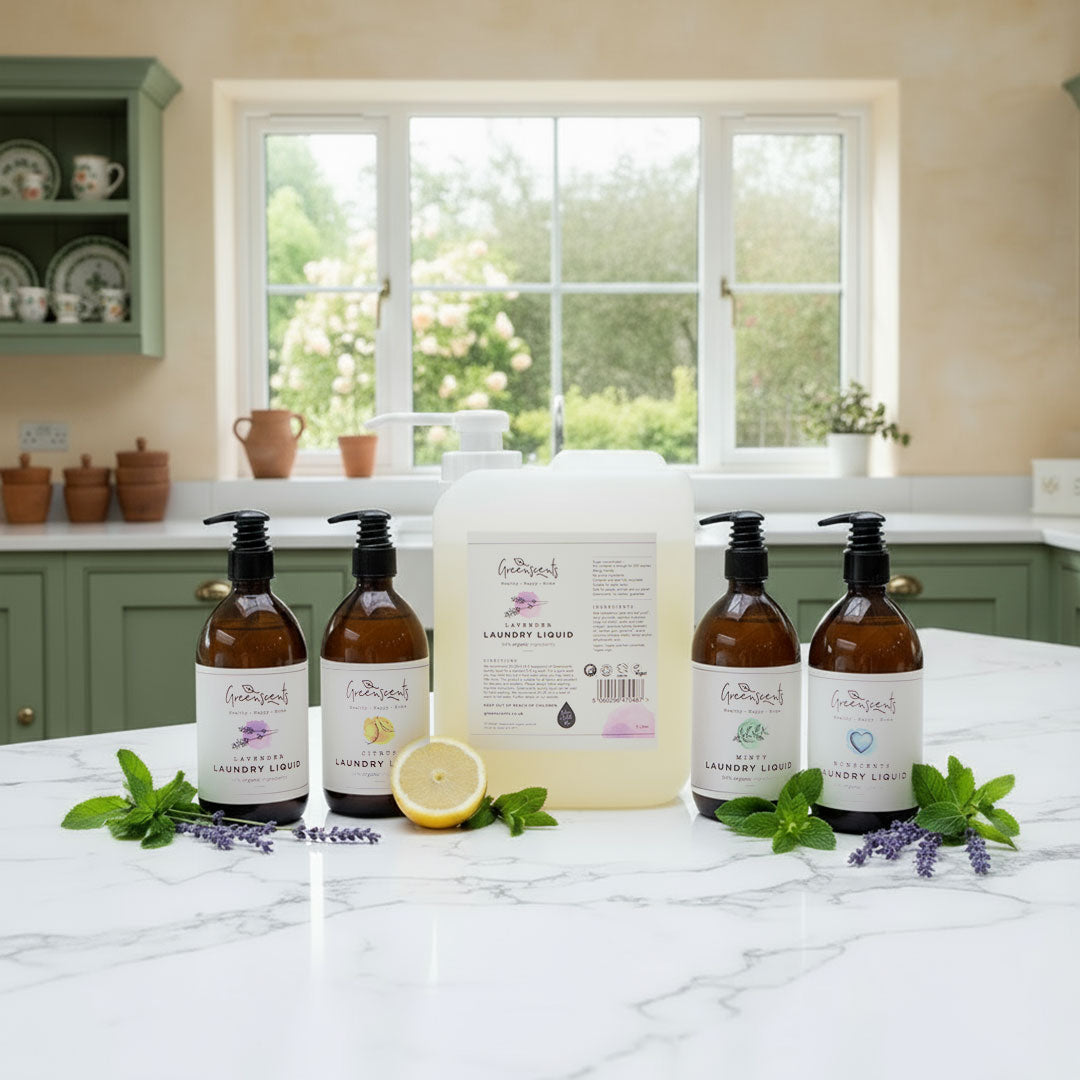
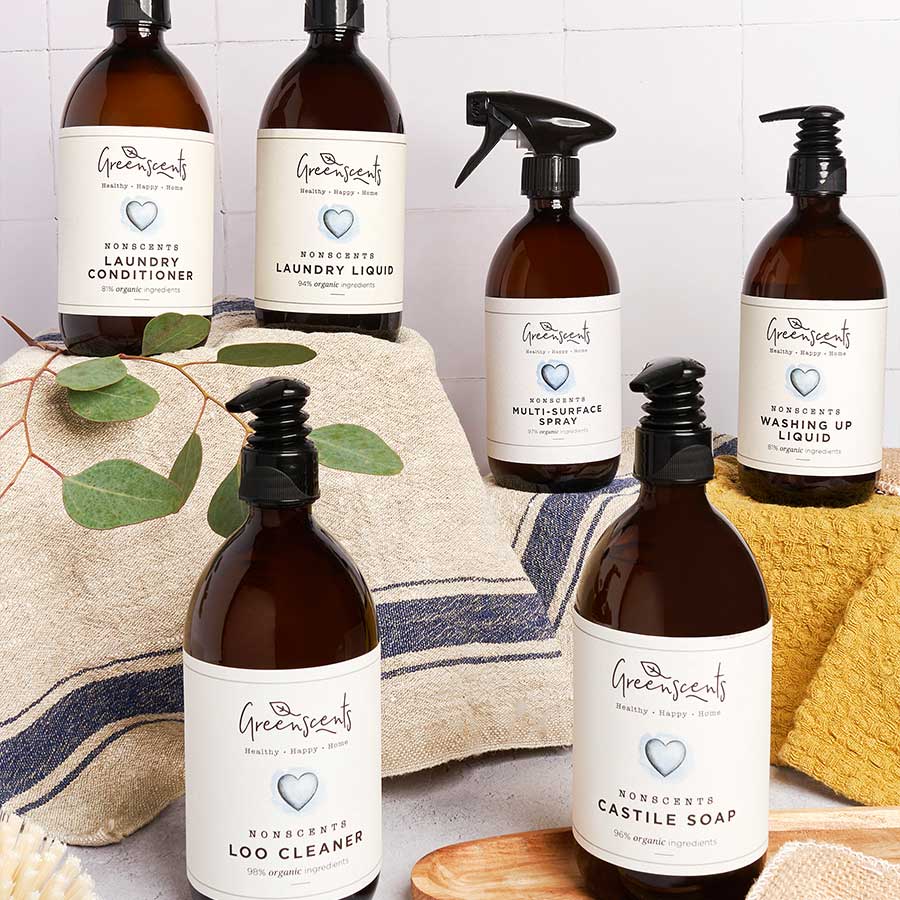
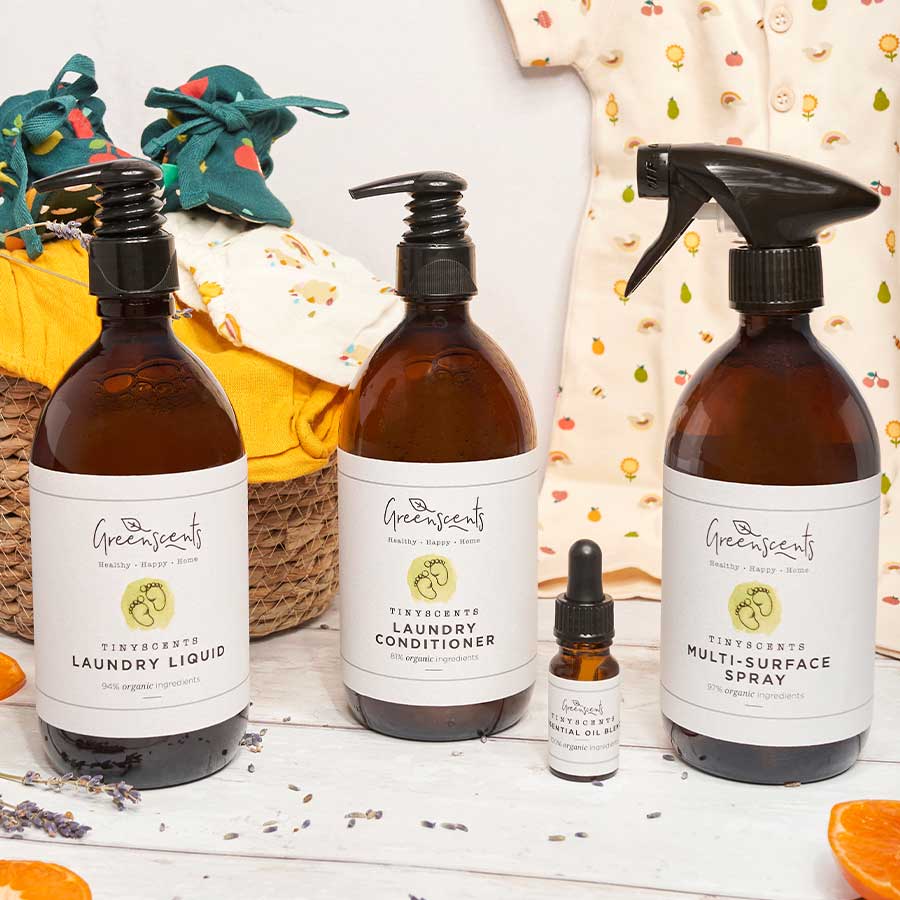
Many consumers now prefer products with little or no fragrance, while others enjoy subtle scents that do not dominate the home environment. This philosophy inspired the development of the Greenscents Tinyscents collection – a gentler approach to fragrance for the whole family – alongside the Nonscents range, which is completely fragrance free.
The Difference Between Organic Essential Oils and Synthetic Fragrance
Not all fragrance is created equal.
Organic essential oils and synthetic fragrances are very different approaches to fragrancing products. Many consumers choose organic essential oils because they are derived from plants, produced to certified organic standards and support a more transparent approach to formulation. For families who enjoy fragrance, products scented with carefully selected organic essential oils can provide a gentle, natural aroma without the heavily fragranced experience often associated with conventional household products.
In addition to their aroma, many organic essential oils have traditionally been valued for their cleaning, deodorising and sensory qualities, which is one reason they have been used in household products for generations.
The key is balance. More fragrance is not necessarily better. For babies, young children and sensitive households, lower fragrance levels are often preferable. A gentle scent can make household products enjoyable to use while avoiding the heavily fragranced experience that many consumers are now moving away from.
This philosophy inspired the Greenscents Tinyscents collection – a gentler approach to fragrance for the whole family. Tinyscents uses carefully selected certified organic essential oils at lower levels than many conventional fragranced products, providing a subtle aroma designed for those who appreciate fragrance but prefer a softer and more understated approach.
For households with very sensitive individuals, fragrance-free options may still be the preferred choice. However, for many families, thoughtfully formulated products fragranced with organic essential oils can offer a happy middle ground between fragrance-free living and strongly scented conventional products.

What Stays on Fabrics Matters More Than You Think
Clothing, bedding, towels and baby clothes remain in prolonged contact with the skin. This makes laundry products particularly important when creating a lower-toxin home.
Families often begin reviewing laundry products when a child develops sensitive skin, eczema or unexplained irritation, particularly because clothing, bedding and towels remain in close contact with the skin for many hours each day. Babies spend many hours sleeping on bedding and wearing freshly washed clothing. Children and adults may spend eight or more hours each day in contact with bedding and nightwear.
For these reasons, laundry products are often one of the first areas families choose to review when reducing unnecessary exposure to fragrances and other additives.
Ingredient Transparency Matters
One of the biggest challenges facing consumers is understanding what is actually inside household products.
Terms such as “natural”, “green”, “eco-friendly” and “plant-based” are widely used, yet ingredient disclosure varies considerably between brands. Many consumers assume these terms automatically indicate simplicity and transparency. Unfortunately, this is not always the case.
Independent certification can help consumers make informed choices. Certification schemes such as The Soil Association assess ingredients, manufacturing standards and environmental impact against defined criteria, providing an additional layer of scrutiny beyond marketing claims.
At Greenscents, we believe every ingredient should be listed clearly and honestly, enabling customers to understand exactly what they are bringing into their homes.
Why Consumers Are Looking More Closely at Ingredients
Consumer awareness of chemical exposure has increased significantly over the past decade. Organisations such as Breast Cancer UK have helped raise awareness of endocrine disrupting chemicals (EDCs) and the importance of reducing unnecessary exposure where practical.
It is important to remember that exposure does not come from a single source. Instead, it may come from many small sources throughout everyday life, including personal care products, cleaning products, food packaging, furnishings and household dust.
For most families, the goal is not perfection. It is simply to make informed choices and reduce unnecessary chemical complexity where practical.
Indoor Air Quality: The Forgotten Health Factor
People often focus on food and water when considering health, but indoor air quality is equally important. Poor indoor air quality has been linked to a range of health concerns, particularly in children and vulnerable groups. While many factors contribute to indoor air quality, household products, ventilation and fragrance use are all areas where consumers can make informed choices.¹⁻
The average person spends most of their time indoors, and children often spend even longer periods inside homes, nurseries and schools.¹ Modern homes can contain a mixture of airborne particles, cleaning product emissions, cooking emissions and outdoor pollutants that enter the home.²⁻⁵
Five Simple Steps Towards a Lower-Toxin Home
1. Improve ventilation. Fresh air remains one of the simplest ways to dilute indoor pollutants.
2. Reduce unnecessary fragrance. Consider whether every product in the home needs a strong scent.
3. Choose products with transparent ingredient lists. Understanding what is inside the products you use is the first step towards making informed decisions.
4. Review your laundry routine. Fabrics remain in direct contact with skin for many hours each day.
5. Consider certified and refillable products. Independent certification and refill systems can help consumers identify products that align with their environmental, ethical and health priorities.
A Lower-Toxin Home Starts With Everyday Choices
The products we use every day shape the environments in which our families live, sleep and grow.
Creating a lower-toxin home does not require expensive renovations or dramatic lifestyle changes. Instead, it often begins with small, practical steps taken consistently over time.
Choosing transparent ingredients. Reducing unnecessary fragrance. Improving ventilation. Selecting independently certified products where possible.
The goal is not perfection. It is progress. By making informed choices and focusing on what matters most, families can create homes that feel cleaner, calmer and more aligned with their values.
Frequently Asked Questions
What is a lower-toxin home?
A lower-toxin home aims to reduce unnecessary chemical exposures through informed choices about cleaning products, fragrances, furnishings, ventilation and everyday household routines.
Are fragranced products harmful?
Not necessarily. Many fragranced products are considered safe for use. However, some people experience fragrance sensitivity and prefer products with little or no fragrance.
Why do some families choose organic essential oils instead of synthetic fragrance?
Many families prefer products fragranced with certified organic essential oils because they are plant-derived, produced to recognised organic standards and support greater ingredient transparency. When used at appropriate levels, organic essential oils can provide a gentle fragrance while maintaining a simpler approach to formulation.
How can I improve indoor air quality naturally?
Regular ventilation, reducing unnecessary fragrances, controlling dust and choosing products with transparent ingredient lists can all help.

References
1. Royal College of Paediatrics and Child Health. The Inside Story: Health Effects of Indoor Air Quality on Children and Young People. London: RCPCH; 2020.
2. World Health Organization. WHO Global Air Quality Guidelines. Geneva: WHO; 2021.
3. Nazaroff WW, Weschler CJ. Cleaning products and air fresheners as sources of indoor air pollutants. Atmos Environ. 2004;38(18):2841–2865.
4. Singer BC, Destaillats H, Hodgson AT, Nazaroff WW. Cleaning products and air freshener emissions: exposure to primary and secondary air pollutants. Atmos Environ. 2006;40(35):6696–6710.
5. Steinemann A. Volatile emissions from consumer products and associated health risks. Build Environ. 2015;93:262–267.
6. Steinemann A. Fragranced consumer products: exposures and effects from emissions. Air Qual Atmos Health. 2016;9(8):861–866.
7. Steinemann A. International prevalence of fragrance sensitivity. Air Qual Atmos Health. 2019;12:891–897.
8. World Health Organization, United Nations Environment Programme. State of the Science of Endocrine Disrupting Chemicals. Geneva: WHO/UNEP; 2013.
9. Gore AC et al. EDC-2: The Endocrine Society's Second Scientific Statement on Endocrine-Disrupting Chemicals. Endocr Rev. 2015;36(6):E1–E150.
10. European Commission. State of the Art Assessment of Endocrine Disrupters. Brussels: European Commission; 2012.
11. Breast Cancer UK. Endocrine Disrupting Chemicals: What Are They and Why Do They Matter?
Share